Why the Beauty and Wellness Franchise Category Keeps Growing
Beauty and wellness is one of the strongest growth categories in franchising because it serves a repeat need. What was once viewed as an occasional luxury has become a routine part of how people manage stress, support recovery, and protect long-term health. That shift in consumer mindset is a major reason the category continues to expand year after year.
Across the United States, massage, facial, skincare, and wellness concepts are growing faster than many traditional franchise categories. This momentum is not driven by trends alone. It is fueled by repeat customer behavior, demographic shifts, and a growing awareness that wellness is not optional. It is foundational.
For prospective franchise owners evaluating industries with staying power, beauty and wellness stands out for a few key reasons. It is resilient, recurring, and deeply tied to how people live today.
Wellness has shifted from luxury to routine
Massage therapy, facials, skincare treatments, and bodywork are no longer reserved for special occasions. They are increasingly viewed as part of a regular self-care routine. Consumers use wellness services to manage stress, improve sleep, reduce pain, and maintain overall health.
When a service becomes routine instead of occasional, it creates predictable demand. This is a major advantage for franchise models built around memberships, subscriptions, or recurring visits. Customers are not asking whether they will return. They are deciding how often.
Membership models drive consistency and loyalty
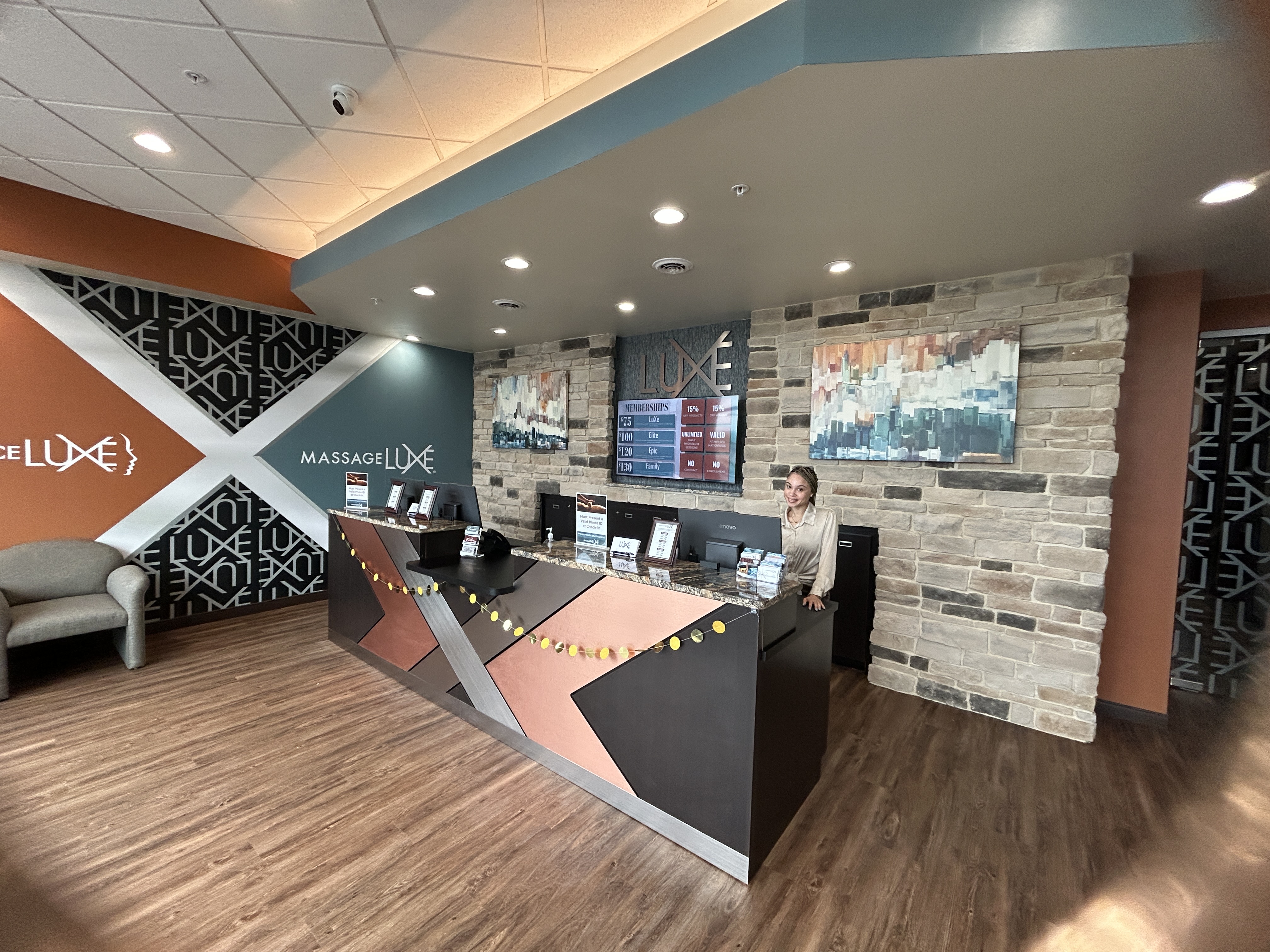
One reason beauty and wellness franchises outperform many other service categories is the adoption of membership based pricing. Memberships align with repeat need services and benefit both the consumer and the business.
For customers, memberships lower the barrier to booking appointments. Services feel more accessible and affordable when spread across monthly payments. For franchise owners, memberships provide more predictable revenue and deeper customer relationships.
This model can also support stability during economic uncertainty. When budgets tighten, consumers may cut discretionary spending, but wellness services built into a monthly routine are often preserved longer than one time luxuries.
Strong demographic tailwinds support long-term growth
The beauty and wellness category benefits from multiple demographic trends happening at the same time. Millennials and Gen Z prioritize wellness earlier in life than previous generations. Gen X and Baby Boomers use wellness services to manage aging, pain, and mobility.
This creates a broad customer base that spans age groups, income levels, and lifestyles. Few franchise categories appeal so consistently across generations.
Wellness franchises align with lifestyle entrepreneurship
Many franchise candidates are no longer looking only for financial returns. They want businesses that align with personal values and lifestyle goals. Wellness franchises often attract owners who care about health, people, and community. These businesses are relationship driven, and owners frequently build deep connections with clients and team members.
Fragmentation creates opportunity for strong brands
Despite its size, the beauty and wellness industry remains highly fragmented. Many local operators still run independent spas, salons, and massage practices without standardized systems, marketing support, or scalable processes.
Franchising brings structure to a fragmented industry. Strong brands provide training, systems, technology, and support that independent operators often struggle to build on their own.
Technology is improving accessibility and efficiency
Online booking, mobile apps, automated reminders, membership management, and data driven marketing improve the customer experience. On the operational side, technology helps owners manage scheduling, inventory, and customer relationships more effectively, reducing friction and enabling growth.
Resilience during economic cycles
While no industry is recession proof, wellness services tied to physical and mental health tend to hold up better than purely discretionary categories. Stress, pain, and burnout do not disappear during economic downturns. In many cases, they increase, helping keep demand relatively steady.
Wellness is becoming preventative, not reactive
A long-term trend supporting growth is the shift toward preventative wellness. Consumers increasingly focus on maintaining health rather than reacting to problems after they arise. Massage therapy, skincare, and bodywork are often used proactively to manage stress, prevent injury, and support overall well-being. This reinforces regular usage and long-term customer relationships.
Why this category continues to outperform in franchising
When you combine recurring demand, membership models, demographic tailwinds, operational scalability, and lifestyle alignment, it becomes clear why the beauty and wellness franchise category continues to grow.
This is not a short term trend driven by novelty. It is a structural shift in how consumers view health, self-care, and quality of life. Franchise systems that understand this shift and build sustainable, support driven models are positioned for long-term success.
For franchise candidates, beauty and wellness offers a rare combination of purpose and performance: an industry rooted in helping people feel better while operating within a proven, repeat driven business model.