The spa industry is evolving quickly. Today’s wellness consumer is no longer booking a single service in isolation. They are looking for integrated experiences that support recovery, skincare, stress management, and long-term self-care. For franchise owners, staying competitive now means understanding where demand is headed, not where it has already been.
Across the industry, the most resilient spa concepts are those built around variety, convenience, and repeat engagement. Brands like MassageLuXe reflect this shift by designing systems that adapt to changing client expectations rather than relying on a narrow or outdated service mix.
The takeaway for prospective owners is clear. The future of spa franchising favors concepts that can flex with consumer behavior while maintaining operational consistency.
Trend One: Moving Beyond Single-Service Spa Models
One of the most visible shifts in spa franchising is the move away from limited massage only menus. Modern guests expect choice. They want services that match different life stages, stress levels, and wellness goals, sometimes within the same month.
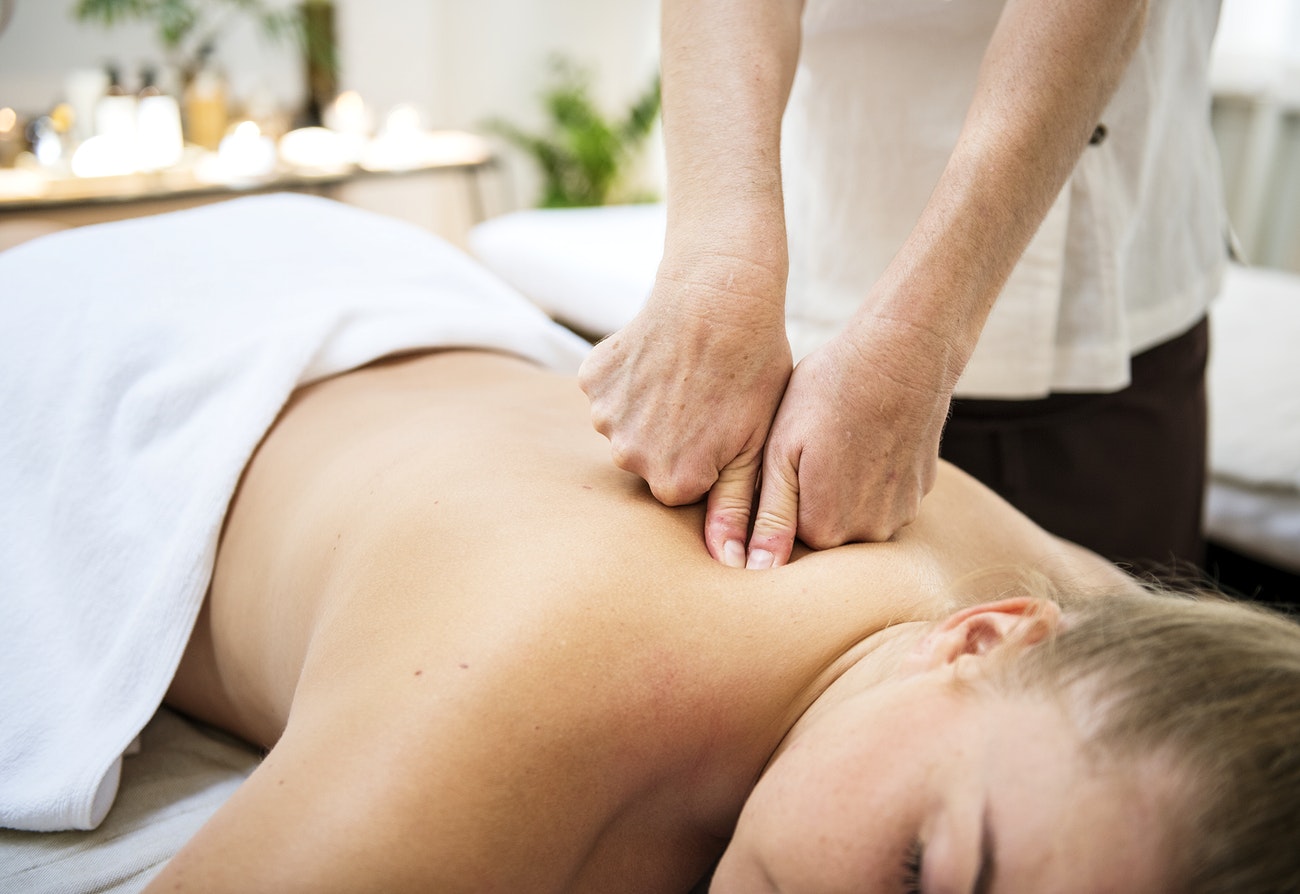
Successful spa franchises now offer a wide range of massage options, from classic Swedish and deep tissue to more specialized therapies such as hot stone, trigger point, prenatal, and couples massage. This approach broadens the client base and reduces reliance on a single type of guest.
From a franchise perspective, service diversity helps smooth demand cycles. When one category slows, another often fills the gap. That flexibility is becoming a core advantage in spa franchising.
Trend Two: Skincare and Beauty as Core Wellness Drivers
Skincare has shifted from being an add on to becoming a primary reason guests visit a spa. Facials focused on acne, hydration, aging, and skin health are now essential services, not optional extras. Franchises that integrate licensed esthetician services into their core offering are better positioned to meet this demand.
Waxing services further support this trend by creating routine visits that fit naturally into a guest’s lifestyle. When clients can address massage, skincare, and grooming needs in one location, convenience becomes a powerful loyalty driver.
Retail skincare has also become a meaningful extension of the spa experience. Clients increasingly expect professional products that allow them to continue results at home, while owners benefit from an additional, non appointment based revenue stream.
Trend Three: Membership Models That Encourage Routine Wellness
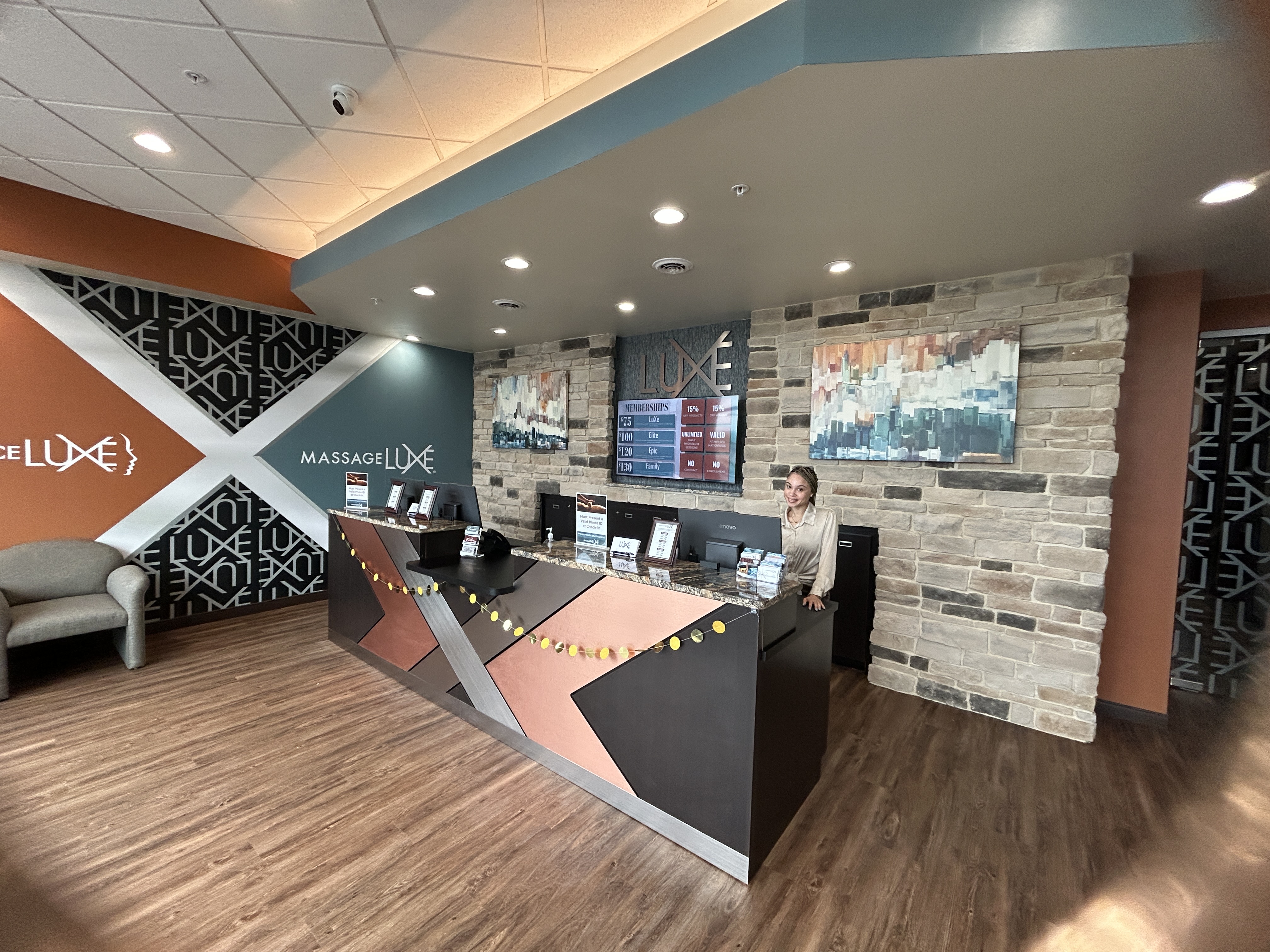
Another major shift in spa franchising is the move toward membership driven engagement. Rather than relying on one time bookings, leading concepts are building predictable, repeat visitation through flexible membership programs.
Well designed memberships encourage clients to view wellness as routine rather than occasional. Features like rollover services, service flexibility, and member pricing incentives remove friction and make consistency easier for guests.
For franchise owners, this model supports steadier cash flow, more reliable staffing schedules, and long-term client relationships. As consumer behavior continues to favor subscription based experiences, membership structures are becoming less of a differentiator and more of a necessity.
What This Means for the Future of Spa Franchising
The most successful spa franchise opportunities moving forward will be those that combine service diversity, convenience, and recurring engagement within a scalable operating system. Brands that stay ahead of trends are not chasing what is new for novelty’s sake. They are responding thoughtfully to how people actually live, work, and manage stress.
MassageLuXe is one example of a franchise concept built around these principles, but the broader lesson applies across the industry. Owners who prioritize adaptability, client experience, and long-term wellness habits are better positioned to grow sustainably in an increasingly competitive market.
For entrepreneurs exploring spa franchising, the question is no longer whether wellness demand exists. It is whether the model you choose is designed for where the industry is going next.